How Omega‑3 Fatty Acids May Support Brain Health and Mood
- Shawni Groezinger
- 3 days ago
- 4 min read

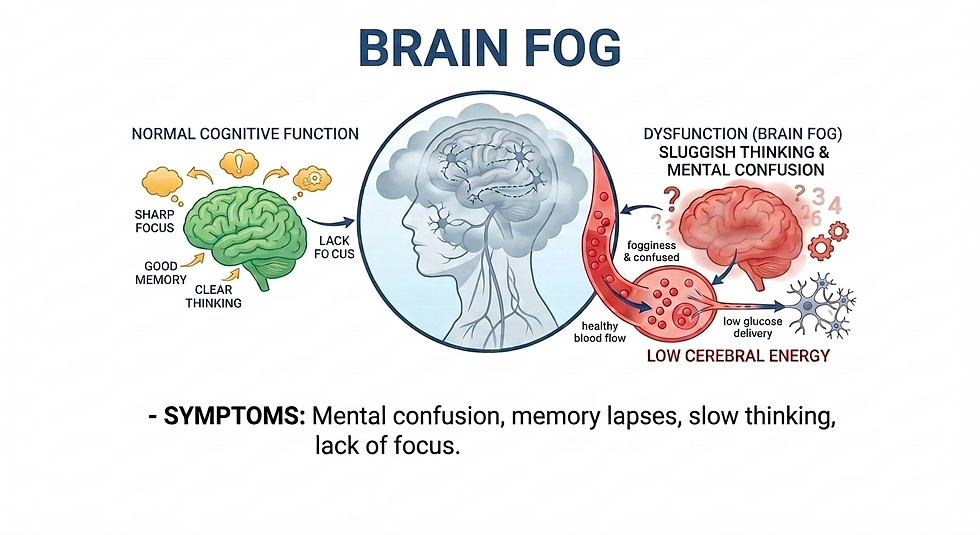
Omega‑3 fatty acids are a group of healthy fats that play a key role in how our brain is built and how it works day to day. Two of the most important omega‑3s for brain health are EPA (eicosapentaenoic acid) and DHA (docosahexaenoic acid), mainly found in fatty fish and high‑quality fish or algae oils.
DHA is a major structural fat in the brain. It helps keep cell membranes flexible so that brain cells can send signals efficiently. EPA is more involved in regulating inflammation and signaling molecules that affect blood flow and mood. Because of these roles, researchers have been interested in how omega‑3s might influence cognition, mental health, and neurodegenerative conditions.
Omega‑3s and Cognitive Function
Several observational studies have found that people who eat more fish or have higher blood levels of omega‑3s tend to perform better on certain memory and thinking tests, especially in older age. For example, cohort studies have linked higher DHA levels with slower rates of cognitive decline and a lower risk of developing dementia.
Randomized controlled trials (RCTs) have shown mixed but promising results. Some trials in older adults with mild cognitive impairment suggest that omega‑3 supplementation, particularly DHA‑rich formulas, may help preserve aspects of memory and executive function over time. However, not all studies show a clear benefit, and effects often depend on baseline omega‑3 status, dose, and how advanced the cognitive decline is when supplementation begins.
Overall, the current evidence suggests that omega‑3s are likely more effective as a long‑term support for brain health and healthy aging, rather than as a quick fix for established dementia.
Omega‑3s and Depression
The link between omega‑3s and depression has been studied for more than two decades. People with major depressive disorder often show lower levels of EPA and DHA in their blood cell membranes. This has led researchers to test whether supplementing omega‑3s can help improve mood.
Meta‑analyses of RCTs indicate that omega‑3 supplements, especially those higher in EPA, can have a modest but meaningful effect in reducing depressive symptoms, particularly when used alongside standard treatments such as antidepressant medication or psychotherapy. Some studies suggest that EPA‑dominant formulas (for example, at least 60% EPA of the total omega‑3 content) may be more effective than DHA‑dominant ones for mood.
Proposed mechanisms include:
Modulation of inflammatory pathways that are often upregulated in depression
Effects on neurotransmitters such as serotonin and dopamine
Improved cell membrane fluidity, which can influence receptor function and signal transduction in the brain
While omega‑3s are not a stand‑alone cure for depression, they are increasingly viewed as a useful adjunctive strategy, especially in individuals with low dietary intake of oily fish.
Omega‑3s, Anxiety and Stress
Research on omega‑3s and anxiety is more limited but growing. Some controlled trials in students and individuals under high stress have found that omega‑3 supplementation can reduce self‑reported anxiety and lower markers of inflammation. A few meta‑analyses suggest a small to moderate anxiolytic effect, again more pronounced with EPA‑rich formulations and in people with higher baseline symptoms.
The mechanisms may overlap with those seen in depression: reduced inflammatory signaling, modulation of stress‑related hormones, and support for neuronal resilience.
Neuroprotection and Brain Aging
Because DHA is so concentrated in the brain, researchers have also explored whether omega‑3s can protect against neurodegenerative processes such as those seen in Alzheimer’s disease. Laboratory and animal studies show that omega‑3s can:
Reduce the production of certain toxic protein aggregates
Support synaptic plasticity (the brain’s ability to form and strengthen connections)
Improve blood flow and reduce oxidative stress
Human trials in established Alzheimer’s disease have generally shown limited benefit, but there is more encouraging evidence for people at earlier stages of cognitive decline or with genetic risk factors. This supports the idea that omega‑3s may be most helpful as a preventive or early‑intervention strategy.
Practical Considerations: Sources and Dosing
For most people, the first step is improving dietary intake:
Food sources: Fatty fish such as salmon, mackerel, sardines, anchovies, and herring are rich in EPA and DHA.
Plant sources: Flaxseeds, chia seeds, and walnuts provide ALA (alpha‑linolenic acid), which the body can convert to EPA and DHA, but the conversion rate is relatively low.
Many clinical studies on mood and cognition use doses in the range of about 1,000–2,000 mg per day of combined EPA and DHA, often with a higher proportion of EPA for depression. However, the optimal dose can vary based on individual needs, diet, and medical conditions.
People taking blood‑thinning medications, those with bleeding disorders, or individuals with chronic health conditions should talk with a healthcare professional before starting high‑dose omega‑3 supplements.
What the Evidence Tells Us So Far
Current research suggests that omega‑3 fatty acids:
Are essential building blocks for healthy brain structure and function
May help support cognitive performance and slow age‑related decline, especially when used over the long term
Can modestly improve symptoms of depression and possibly anxiety, particularly as an add‑on to standard care
May offer some neuroprotective effects, especially when introduced before advanced neurodegeneration develops
At the same time, omega‑3s are not a magic bullet. They work best as part of a broader lifestyle approach that includes a balanced diet, regular physical activity, good sleep, and appropriate medical care.


Comments