Chronic Inflammation: The Silent Killer
- Shawni Groezinger
- Jul 21
- 4 min read

Updated: Jul 27
Inflammation is your immune system’s first line of defense. When you cut your finger or catch a virus, your body unleashes an acute inflammatory response to destroy invaders and initiate tissue repair. This process is sharp, localized, and temporary. However, when the immune system fails to turn off this response, the fire spreads. The result is chronic systemic inflammation—a slow, low-grade, and destructive cascade that silently damages healthy tissues over decades. Because it operates beneath the threshold of immediate pain, medical professionals rightfully call chronic inflammation "the silent killer."
The Molecular Assault: Proinflammatory Cytokines
At the heart of this silent destruction is a cellular communication breakdown. In a healthy state, immune cells use signaling proteins called cytokines to coordinate defenses. During chronic inflammation, however, the body continuously secretes high levels of proinflammatory cytokines, such as tumor necrosis factor-alpha (TNF-alpha), interleukin-1 beta (IL-1β), and interleukin-6 (IL-6).
These proteins act as chemical alarms that never turn off. They circulate through the bloodstream, systematically damaging the cellular architecture of your organs. This prolonged chemical warfare induces severe oxidative stress, a state where unstable molecules called free radicals outnumber beneficial antioxidants. Oxidative stress alters cellular DNA, disrupts normal mitochondrial function, and accelerates cellular senescence (aging). Essentially, your body becomes trapped in a self-destructive loop, attacking its own vital structures.
[Chronic Trigger]
       │
       ▼
[Immune Malfunction] ──► Continuous Release of Proinflammatory Cytokines (TNF-α, IL-6)
       │
       ▼
[Oxidative Stress & DNA Damage] ──► Widespread Cellular and Tissue Destruction
Cardiovascular Decay and Atherosclerosis
The vascular system is often the first major casualty of this chronic cytokine storm. Arteries are lined with a delicate, single layer of cells called the endothelium. Proinflammatory cytokines compromise this barrier, making it porous and dysfunctional.
When endothelial integrity breaks down, circulating low-density lipoprotein (LDL) cholesterol penetrates the arterial wall. Macrophages (immune cells) rush in to consume the cholesterol, transforming into bloated foam cells. This cellular debris accumulates, forming a gritty matrix known as atherosclerosis. Over time, this arterial plaque calcifies and narrows the blood vessels. If a plaque ruptures, it triggers immediate blood clotting, culminating in myocardial infarction (heart attack) or ischemic stroke.
Metabolic Disruption: Diabetes and Weight Gain
Chronic inflammation also fundamentally rewires how your body processes energy. High circulating levels of TNF-alpha actively interfere with insulin signaling pathways. Under normal conditions, insulin acts as a key to let glucose enter your cells. Proinflammatory cytokines warp these cellular locks, inducing insulin resistance.
As a result, glucose pools uselessly in the bloodstream, forcing the pancreas to overproduce insulin. This metabolic gridlock directly causes type 2 diabetes. Furthermore, insulin resistance promotes rapid visceral adiposity (weight gain around internal organs). White adipose tissue is not just dormant fat; it functions as an active endocrine organ. As fat cells expand, they secrete even more proinflammatory cytokines, trapping the individual in a vicious cycle of weight gain and metabolic decay.
Joint Degradation and Skin Conditions
The structural components of the body suffer equally under chronic systemic stress. In the joints, continuous cytokine activity degrades the extracellular matrix of cartilage. This accelerates cartilage erosion and synovial membrane inflammation, manifesting as debilitating joint pain, stiffness, and conditions like rheumatoid arthritis or severe osteoarthritis.
Simultaneously, the skin—the body’s largest organ—reflects this internal chaos. Chronic inflammation disrupts skin barrier homeostasis and accelerates epidermal cell turnover. Proinflammatory signaling pathways trigger or severely exacerbate chronic dermatological conditions, including:
Psoriasis: Hyperproliferation of skin cells driven by overactive T-cells.
Eczema (Atopic Dermatitis): Severe immune-mediated barrier dysfunction.
Agnogenic Acne: Systemic inflammation inflating sebaceous gland reactivity.
Neurological Havoc: Depression and Cognitive Decline
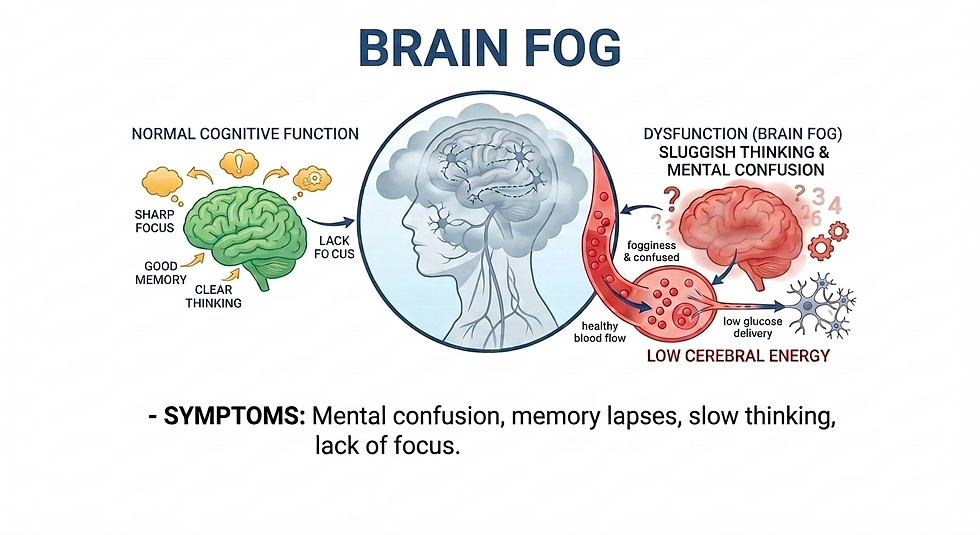
For decades, science viewed the brain as entirely isolated from systemic inflammation due to the blood-brain barrier. Modern neuroscience has shattered this myth. Prolonged systemic inflammation increases the permeability of this barrier, allowing peripheral cytokines to enter the central nervous system.
Once inside the brain, cytokines activate microglia, the resident immune cells of the central nervous system. Chronic microglial activation triggers neuroinflammation, which disrupts neuroplasticity and alters neurotransmitter metabolism. Specifically, inflammation diverts tryptophan away from serotonin production and toward the neurotoxic kynurenine pathway. This profound chemical shift depletes serotonin and dopamine, directly driving the pathophysiology of major depressive disorder, severe anxiety, and progressive neurodegenerative diseases like Alzheimer's.
Extinguishing the Silent Fire
Because chronic inflammation lacks a single distinct symptom, mitigating its impact requires a comprehensive, systemic approach. Clinical management involves neutralizing the environmental triggers that stimulate cytokine production:
Nutritional Intervention: Transitioning to a Mediterranean-style diet rich in polyphenols, omega-3 fatty acids, and leafy greens to naturally inhibit NF-kB pathways.
Glycemic Management: Eliminating ultra-processed foods and refined sugars to prevent the insulin spikes that fuel inflammatory pathways.
Cortisol Regulation: Implementing structured stress management and ensuring deep sleep to optimize the nocturnal anti-inflammatory cortisol rhythm.
By recognizing the subtle, interconnected warning signs of chronic inflammation—from persistent joint stiffness and skin flares to unexplained fatigue and mood shifts—you can intervene before systemic tissue damage becomes irreversible. Extinguishing this internal fire is the single most effective way to prevent the world's deadliest chronic diseases.


Comments